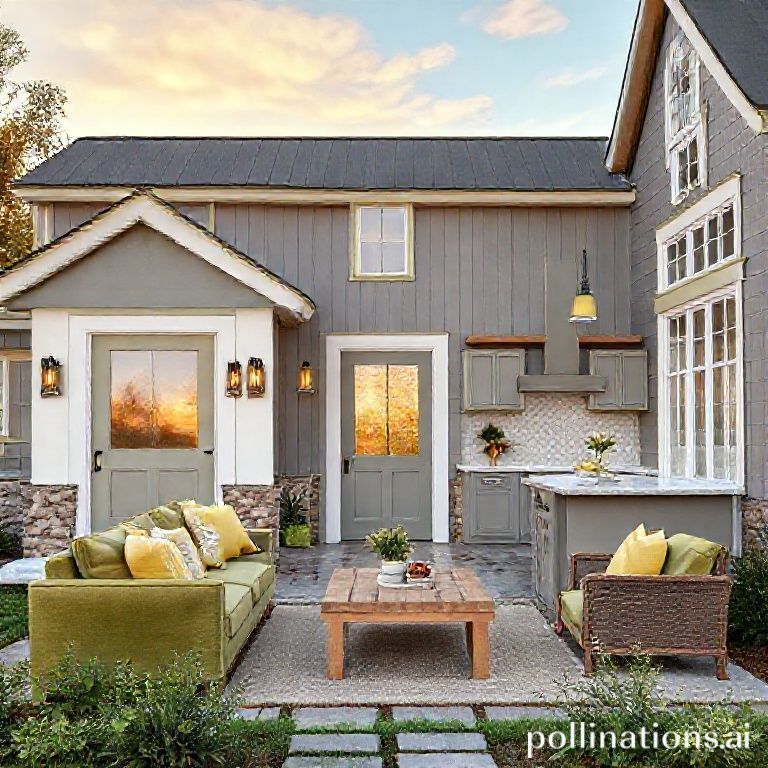
Choosing the perfect paint color for your home’s exterior can be both an exciting and daunting task. The color you select not only expresses your personal style but also affects how your home is perceived within its environment. An ideal paint color will harmonize with the architectural style of your home and resonate with the natural surroundings. In this comprehensive guide, we will walk through the essential elements to consider when selecting an exterior paint color for your American home, including color psychology, seasonal trends, and practical testing methods. Whether you lean towards traditional, farmhouse, or contemporary styles, this article will help you to create a breathtaking facade that speaks volumes about your taste and lifestyle.
Understanding Color Psychology
Color psychology plays a significant role in how we perceive spaces and influences the moods of those who inhabit them. Different colors evoke different emotions and can even affect the overall sentiment of a neighborhood. For instance, warm colors such as reds, oranges, and yellows tend to create a welcoming, energetic atmosphere, while cool colors such as blues, greens, and purples promote calmness and relaxation. Understanding these nuances is paramount when contemplating the exterior aesthetic of your home.
The Basics of Color Influences
- Warm Colors: Ideal for traditional and farmhouse styles, colors like terracotta or sunny yellow can give your home a lively and inviting energy. These tones are perfect for homes that stand by themselves, as they create a dynamic focal point.
- Cool Colors: On the other hand, shades of blue or green lend a tranquil effect, making them suitable for coastal homes or contemporary designs. These colors harmonize beautifully with nature, creating a calm retreat.
- Neutral Colors: Earth tones like beige, taupe, and soft grays provide a versatile backdrop that effortlessly complements various architectural features.
As you evaluate colors, consider how they might interact not only with your neighborhood but also with the landscape surrounding your property. A paint color that looks vibrant during the day may appear muted at dusk. This understanding will guide you towards options that continuously enhance your home’s aesthetic, from the morning sun to the soft glow of twilight.
Considering Seasonal Trends
Every season brings about unique trends that can inspire your exterior color choice. The spring and summer months typically see homeowners opting for brighter shades, while fall often highlights richer, earthier tones. By embracing these seasonal palettes, you can ensure that your home remains visually appealing year-round.
Spring Inspirations
During the spring, homeowners often gravitate towards soft pastels and vibrant hues. Light blues, soft pinks, and gentle greens can breathe life into your home’s exterior, forging a connection with blossoming flowers and new growth. This season is ideal for making bold choices with accents, such as front doors or trim, creating a welcoming entryway.
Summer Selections
Summer is the quintessential time for vibrant colors that pop against a sunlit sky. Shades like coral, sunny yellow, or even a lively mint green can establish an inviting, cheerful façade. Incorporating white trim can add an element of sophistication and highlight architectural details.
Fall Favorites
As leaves change color, incorporate warm, earthy tones such as burnt oranges, deep reds, or muted golds. These colors harmoniously complement the autumnal landscape, providing a cozy sanctuary that feels at one with the season. Darker shades can also add depth and a luxurious touch to modern or farmhouse-style homes.
Testing Paint Samples: Best Practices
Once you’ve narrowed down your color options, the next crucial step is to test them properly. Selecting a paint color is a significant decision; thus, thorough testing will help prevent post-application regret. Here are some best practices for testing paint samples on your home:
- Sample Size: Apply sample paint in larger swathes (at least a 2×2-foot area) to view how the color looks on the wall. Small swatches can mislead you during the selection process.
- Observe Day and Night: Exterior colors change with the light throughout the day. Observe samples during different times for a complete impression.
- Consider Surrounding Elements: Assess how other elements such as roofing, landscaping, and hardscaping affect the overall look. Ensure your chosen shade enhances these aspects.
- Test Against Neighbors: Look at the colors of nearby homes. Aim for harmonization rather than clashing, particularly in residential areas.
A common mistake to avoid is relying solely on digital tools or chips—real paint on your home walls will provide a true representation of how a color behaves with natural lighting and the surroundings.
Integrating Functionality with Aesthetics
In today’s sustainable world, eco-friendly materials have become increasingly important in home improvement projects. When choosing paint, consider options that are low-VOC or zero-VOC to ensure you are maintaining good indoor air quality, especially when painting exteriors near windows or ventilation points.
Eco-Friendly Choices
Consider using paints derived from natural sources, such as plant-based oils, or those certified by eco-labels. These options not only contribute to a reduced carbon footprint but also add to the aesthetic value of your home while ensuring the safety of your family and the environment.
Final Thoughts and Internal CTA
Choosing the perfect paint color for your home’s exterior is a multifaceted decision that balances aesthetics, psychology, and environmental considerations. By understanding color theory, reflecting on seasonal trends, and undertaking diligent testing, you can achieve an alluring and harmonious look that makes your home a proud reflection of your style.
To further enhance your home’s beauty and value, consider exploring our articles on various architectural styles and additional home improvement topics. The journey of homeownership is filled with exciting transformations, and every step taken towards better aesthetics contributes to a more beautiful living environment.