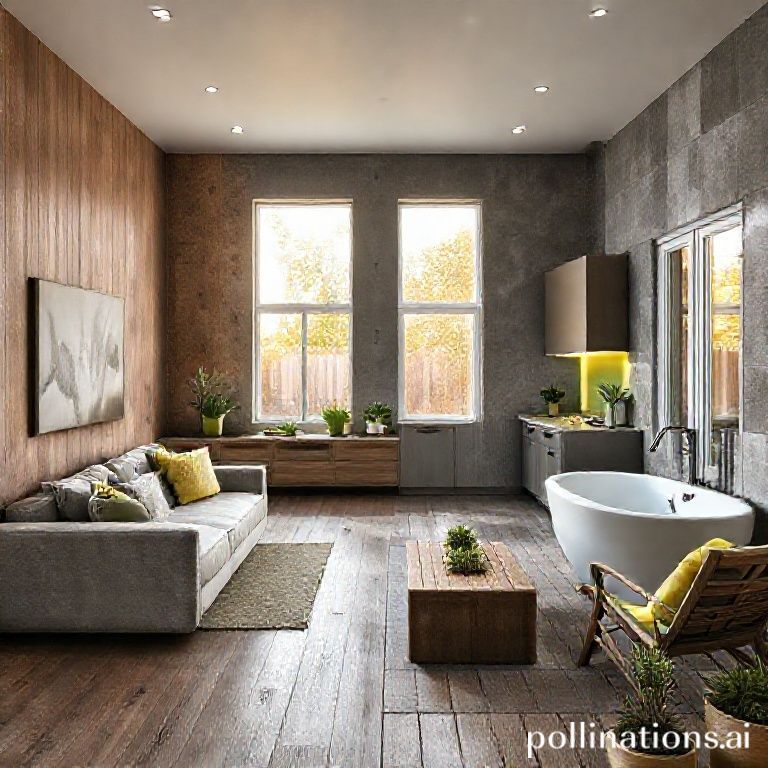
The importance of eco-friendly materials in home renovations cannot be overstated, especially as we navigate through the increasingly pressing concerns surrounding sustainability, health, and cost-effectiveness. Incorporating these materials into your home renovation projects not only demonstrates a commitment to environmental responsibility but also creates a healthier, more efficient living space. This article will delve into the myriad benefits of utilizing sustainable materials, equipping homeowners with the knowledge required to make informed decisions for eco-friendly renovations.
Understanding Eco-Friendly Materials
Eco-friendly materials are those that have a minimal impact on the environment throughout their lifecycle—from sourcing and manufacturing to usage and disposal. By opting for sustainable materials, homeowners can significantly reduce their carbon footprint and contribute to a greener planet. Common examples include recycled aluminum, bamboo, reclaimed wood, cork, and low-VOC (volatile organic compounds) paints. Each of these materials offers unique benefits, making them ideal choices for modern home renovations.
Cost Savings and Financial Incentives
One of the most compelling reasons for choosing eco-friendly materials in home renovations is the potential for cost savings. Although the upfront costs of sustainable materials can sometimes exceed conventional options, the long-term savings are substantial. Energy-efficient installations can lead to decreased utility bills, and sustainable building practices often leverage resources more effectively, resulting in less waste and lower construction costs.
Tax Benefits and Incentives
Many homeowners are also choosing eco-friendly materials due to financial incentives offered by federal and state governments. Programs such as the Federal Tax Credit for Energy Efficiency allow homeowners to claim deductions for qualified energy-efficient purchases, including certain eco-friendly materials. Moreover, various local rebates and programs promote sustainable living, thus further offsetting costs.
Sustainability and Resource Efficiency
Sustainable living is increasingly becoming a priority for many individuals, and eco-friendly renovations significantly contribute to this goal. These materials are sourced and manufactured with environmental impact in mind, focusing on conserving resources and minimizing waste. Green construction emphasizes the entire lifecycle of a building, encouraging builders and remodelers to consider how materials are obtained, their energy efficiency during usage, and their impact when disposed of or recycled.
The Role of Certifications
Recognizing eco-friendly materials can often be challenging for consumers. Therefore, certifications such as Leadership in Energy and Environmental Design (LEED) or Forest Stewardship Council (FSC) can provide clarity. These systems validate the sustainability of materials, ensuring that homeowners can make informed choices and contribute positively to the environment through their renovations.
Health Benefits of Eco-Friendly Materials
Using eco-friendly materials in home renovations goes beyond just environmental impact; it significantly influences the health and well-being of the inhabitants. Traditional construction materials often contain harmful chemicals and pollutants that can degrade indoor air quality. In contrast, eco-friendly alternatives are designed to reduce these risks.
Improved Indoor Air Quality
Low-VOC paints and finishes, for example, emit fewer toxins, creating a safer living environment. According to health experts, improved indoor air quality can lead to enhanced overall well-being, decreased allergies, and respiratory issues among residents. Thus, choosing eco-friendly materials not only benefits the planet but also protects one’s health.
Inspiring Design Choices with Eco-Friendly Materials
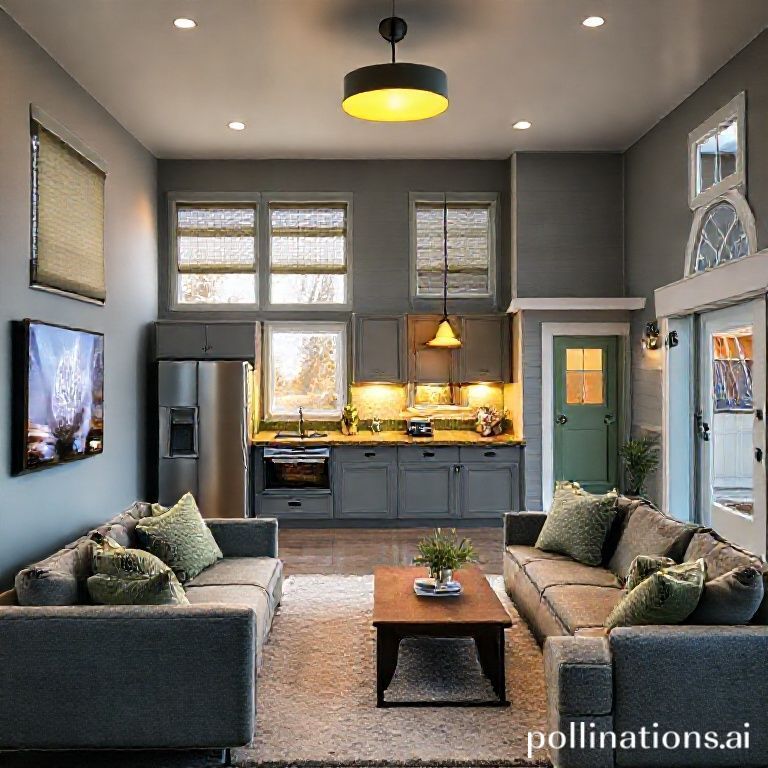
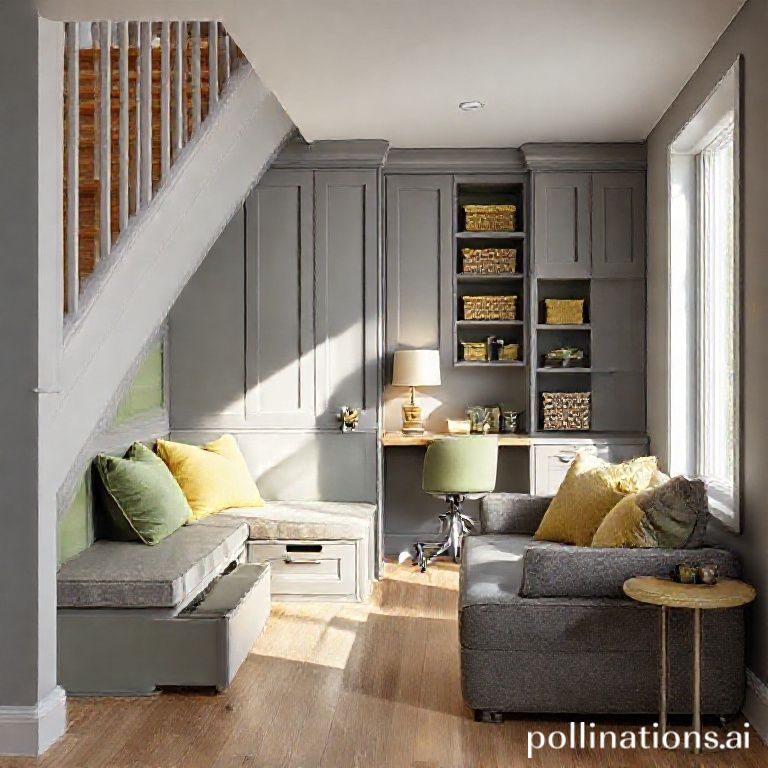
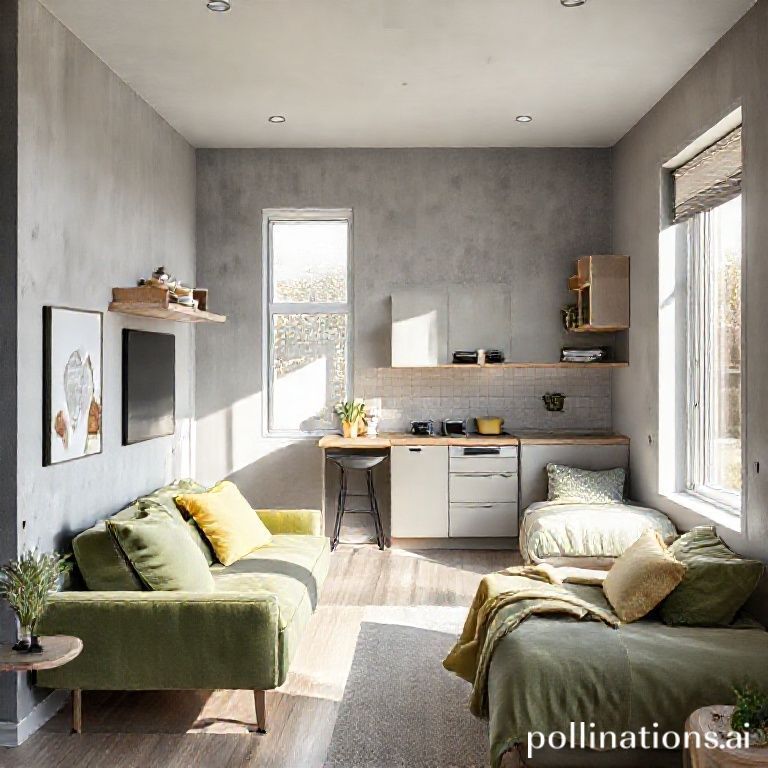
Adopting eco-friendly materials in home renovations allows for creative and innovative design possibilities. Homeowners can explore a plethora of options that combine aesthetic appeal with functionality. From reclaimed wood accents to bamboo flooring, these materials add unique character while remaining environmentally friendly.
Pro Tip: Experiment with Different Textures and Colors
Consider mixing and matching different eco-friendly materials to create striking designs. A combination of cork flooring with recycled glass countertops can yield an intriguing visual contrast while maintaining sustainability. Don’t be afraid to inquire about various finishes or artisans specializing in sustainable practices to inspire your renovation project.
Common Mistakes to Avoid When Choosing Eco-Friendly Materials
As you embark on your eco-friendly renovation journey, it’s crucial to be aware of some common pitfalls. Failing to research or understand the sustainability of materials can lead to suboptimal decisions that may counteract the green benefits you seek.
Relying Solely on Green Labels
Not all products labeled as “green” are genuinely eco-friendly. It’s essential to dig deeper into the material’s sourcing, lifecycle, and the environmental practices of the manufacturers. Consulting with experts and considering certified products can mitigate this issue, ensuring that your choices align with your sustainability goals.
The Importance of Sustainable Homes in 2025 and Beyond
As the dialogue surrounding environmental responsibility continues to grow, homeowners are more conscientious than ever about the materials they choose in their renovations. The shift towards sustainable homes is not merely a trend; it is an evolution in design philosophy that acknowledges the responsibilities we hold to future generations. The choices we make today will influence the world of tomorrow.
Supporting Local Economies
By selecting local eco-friendly materials and suppliers, homeowners can also contribute positively to their communities. This practice not only reduces transportation emissions but also strengthens local economies, creating jobs and promoting sustainable development.
Conclusion: Your Next Steps to an Eco-Friendly Home Renovation
In conclusion, the benefits of using eco-friendly materials in home renovations are vast, encompassing cost savings, health benefits, and a positive impact on the environment. By making informed choices, homeowners can create beautiful, sustainable spaces that prioritize the earth and its inhabitants. Explore various eco-friendly options, consult with design professionals, and consider the recommendations in this article to embark on your journey toward a more sustainable home.
For further reading, delve into our sections on sustainable home designs and innovative materials that enhance eco-friendly living. Plant the seeds for a greener future today!