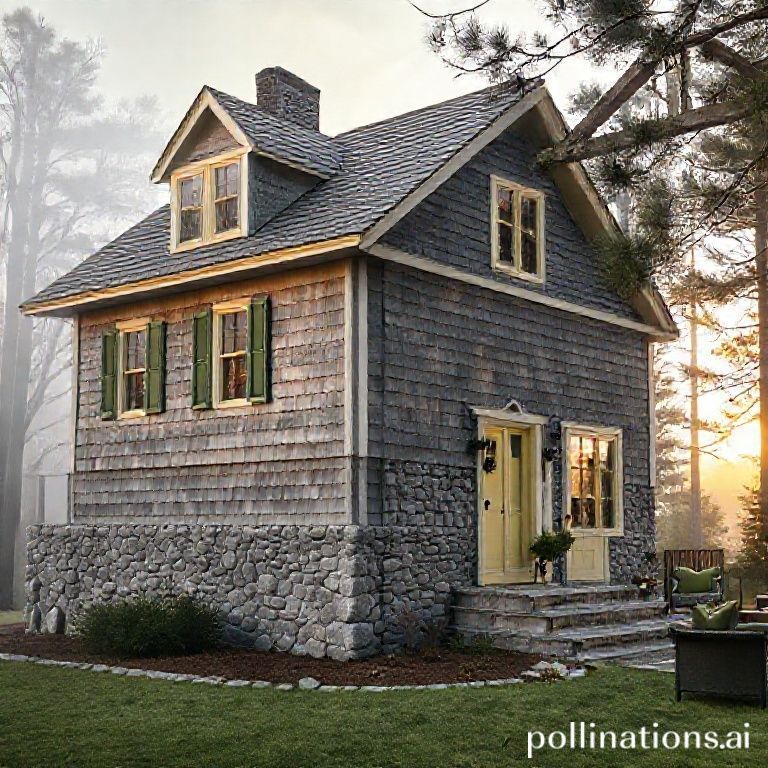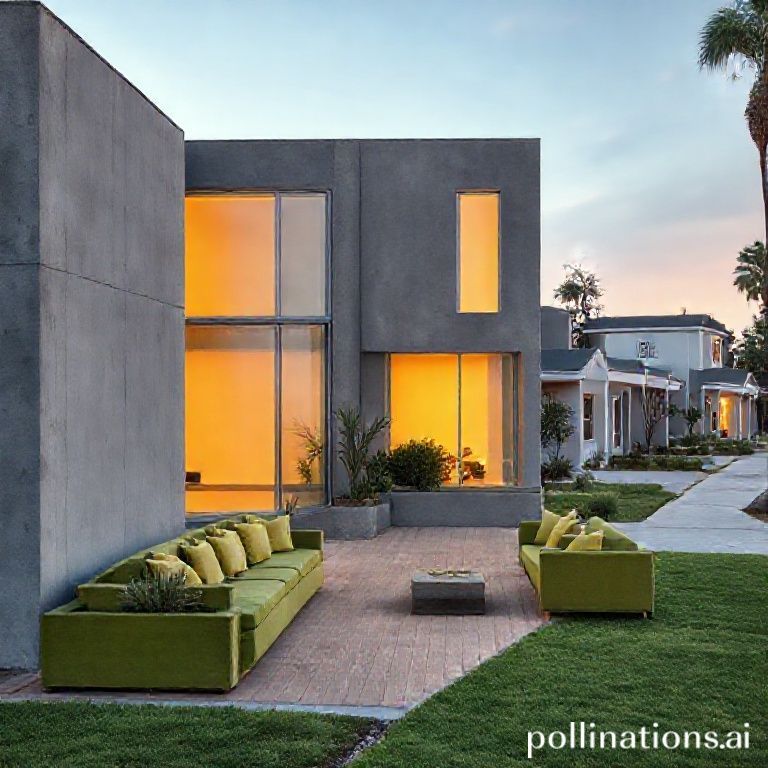
Minimalist architecture has emerged as a powerful aesthetic choice in modern American homes, characterized by its reduction of unnecessary elements and a heightened appreciation for simplicity and function. This architectural style is not merely a design choice; it reflects a broader cultural shift toward sustainable living and the need for harmonious spaces. As we delve into the principles behind minimalist architecture, we will explore key elements, showcase exemplary homes across the United States, and discuss the impact of this style on contemporary living spaces.
The Core Principles of Minimalist Architecture
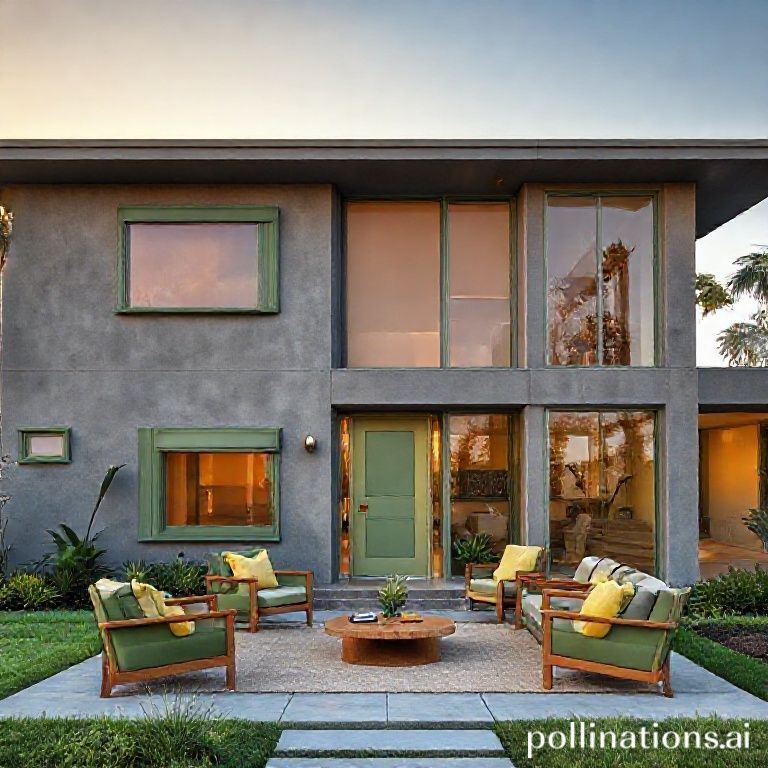
Minimalism in architecture leans heavily on the notion of “less is more.” This design philosophy strives to eliminate clutter, utilizing clean lines and a restrained color palette to create serene environments. By emphasizing function over form and presenting a raw aesthetic with the use of materials such as glass, wood, and metal, minimalist homes epitomize tranquility and purpose.
- Simplicity: The primary characteristic of minimalism, simplicity involves stripping away all non-essential features, allowing for both the architecture and the surrounding environment to breathe.
- Functionality: Every element used in a minimalist design serves a purpose, ranging from furniture to architectural features. This functionality aligns perfectly with sustainable living.
- Natural Light: The integration of expansive windows and open spaces to flood interiors with natural light is fundamental in creating a sense of connection with the outdoor environment.
- Neutral Palette: Minimalist designs often employ monochrome or neutral colors, creating a calm atmosphere conducive to reflection and relaxation.
Why Minimalism Matters in Contemporary Design
In a world increasingly dominated by complexity and disarray, the minimalist aesthetic provides a counterbalance. Many homeowners are choosing minimalist architecture to create peaceful sanctuaries from the chaos of daily life. Expert designers suggest that embracing a minimalist approach can lead to improved mental clarity, foster creativity, and encourage sustainable practices.
Iconic Examples of Minimalist Homes in the U.S.
Across the United States, a myriad of homes stand as testaments to the allure and functionality of minimalist design. From urban dwellings to serene retreats, here are some notable examples:
- Heath House, California: Nestled within the natural landscapes, this home embodies transparency with walls of glass that blur the line between indoor and outdoor living. Its use of sustainable materials showcases both beauty and environmental responsibility.
- Snow Creek House, North Carolina: This home features cantilevered forms and natural stone, merging with the mountainous surroundings. The non-intrusive design emphasizes functionality while maintaining a connection to nature.
- Wright’s Fallingwater: Although not strictly minimalist in the conventional sense, Frank Lloyd Wright’s masterpiece integrates with its environment, embracing nature as an essential component of design. It’s a prime example of how minimalism can elevate a structure to an experience.
Emphasizing Sustainable Living
Minimalist architecture aligns perfectly with the growing trend towards sustainable homes. By focusing on essential functions and making efficient use of space, these designs often reduce waste and energy consumption. The adoption of renewable materials and energy-efficient technologies further underscores the sensitivity toward ecological issues embraced by many contemporary architects.
Design Insights from Experts
According to home renovation specialists, one of the common mistakes to avoid in minimalist design is underestimating the importance of texture. While the design may emphasize simplicity, incorporating varied textures through carefully chosen materials can add depth and richness to a space. Using wood for warmth, metal for modernity, and glass for openness can transform a stark environment into a welcoming home.
Key Elements to Consider
- Light and Space: Focus on creating open floor plans that foster natural light. Think of walls as a means to divide space, not as boundaries.
- Careful Material Selection: Choose sustainable and durable materials that align with contemporary values and principles.
- Art and Furnishings: Select a few statement pieces that reflect your personal style, rather than crowding the space with multiple decorations.
The Future of Minimalist Architecture
As trends in design continue to evolve, the minimalist aesthetic remains a cornerstone in modern architecture. Its principles resonate with the desires of contemporary homeowners, fostering spaces that are not only visually appealing but also promote a lifestyle of sustainability and mindfulness. The simplicity inherent in these designs invites residents to cultivate a deeper appreciation for their surroundings, encouraging a lifestyle of intentionality and focus.
Final Thoughts
In conclusion, the minimalist aesthetic stands as a powerful approach that redefines how we perceive and interact with home environments. As we move forward, it will undoubtedly continue inspiring architects and homeowners alike, reflecting a culture that values simplicity, sustainability, and beauty. Whether building a new home or renovating an existing space, embracing minimalist principles can create a legacy of timeless elegance.
For those looking to further explore architectural styles, take a moment to delve into how modern and contemporary designs embrace innovation while respecting traditional aesthetics. Each style offers unique perspectives and possibilities for transforming your living space into a true sanctuary.