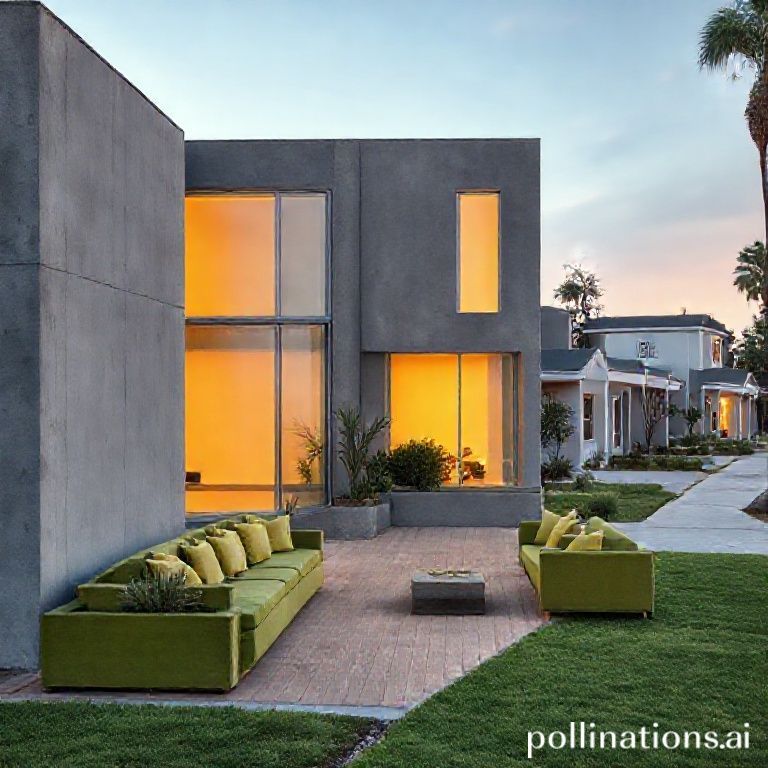
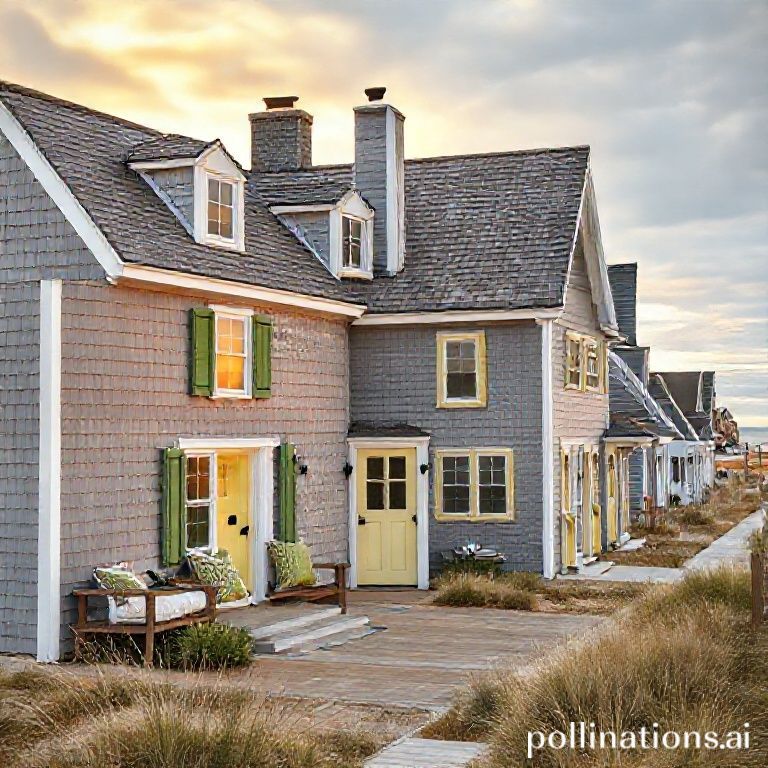
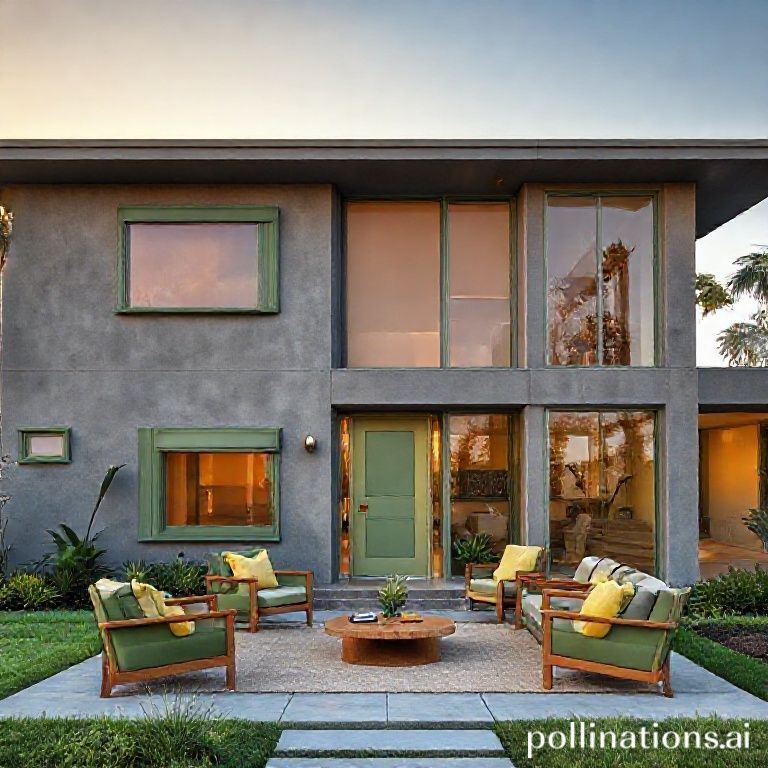
Understanding the roots of Mid-Century Modern architecture involves diving into a design movement that has left an indelible mark on the landscape of American architecture. Originating during a time of immense social and economic change in the mid-twentieth century, specifically from 1945 to 1970, this style is characterized by its clean lines, functional forms, and a profound connection to nature and the surrounding environment. Architectural historians and design enthusiasts alike frequently cite the influences of the International and Bauhaus movements as pivotal in shaping this American phenomenon. Notably, figures such as Ludwig Mies van der Rohe and Le Corbusier laid the groundwork for a style that would come to represent the optimism of post-war America.
Historical Influences on Mid-Century Modern Architecture
To comprehend the essence of Mid-Century Modern architecture, one must consider the historical context from which it emerged. After World War II, the United States experienced a period of transformation, marked by economic prosperity, the rise of the suburban lifestyle, and an increasing focus on the individual. The architecture of this era diverged sharply from the ornate styles that preceded it, moving instead towards a more streamlined aesthetic that favored simplicity and functionality.
The principles of modernism played a crucial role in this movement, emphasizing form over function and encouraging a belief that design should be free from superfluous ornamentation. Architects began to experiment with new materials and construction techniques, such as the post-and-beam structure, which allowed for larger spaces filled with natural light. Large glass walls became a defining feature, blurring the line between indoor and outdoor living and inviting nature into the heart of the home. This innovative approach was not merely aesthetic, but also intended to cater to the evolving lifestyle of American families.
The Influence of Key Figures
Several architects and designers became synonymous with the Mid-Century Modern movement. Pioneering figures like Richard Neutra and Joseph Eichler made significant contributions to suburban housing, proving that modern design could be both functional and accessible. Eichler, in particular, popularized the “Eichler Homes,” which were characterized by open floor plans that catered to the needs of the average family while maintaining a deep connection to the outdoors.
Designers such as Florence Knoll and Charles Eames also played influential roles in propagating the Mid-Century Modern aesthetic, which extended beyond architecture into furniture and product design. The Eames Lounge Chair, with its organic curves and elegant materials, epitomizes the movement’s commitment to blending form with comfort and utility. The respect for materials, particularly wood, glass, and metal, became a hallmark of the style, showcasing a natural, earthy palette that resonates with contemporary sensibilities.
Design Principles of Mid-Century Modern Architecture
At the core of Mid-Century Modern architecture lies a set of design principles that not only defined its form but also its purpose. These principles can be categorized into several key elements that continue to influence modern design today.
1. Open Floor Plans
One of the primary characteristics of Mid-Century Modern design is the emphasis on open floor plans. This concept broke away from traditional compartmentalized layouts, allowing for a fluid transition between spaces. The architectural intent was to foster a sense of community and connection among family members, making everyday living more efficient and enjoyable. The open concept allows for greater flexibility in how spaces are utilized, accommodating the dynamic needs of modern families.
2. Integration with Nature
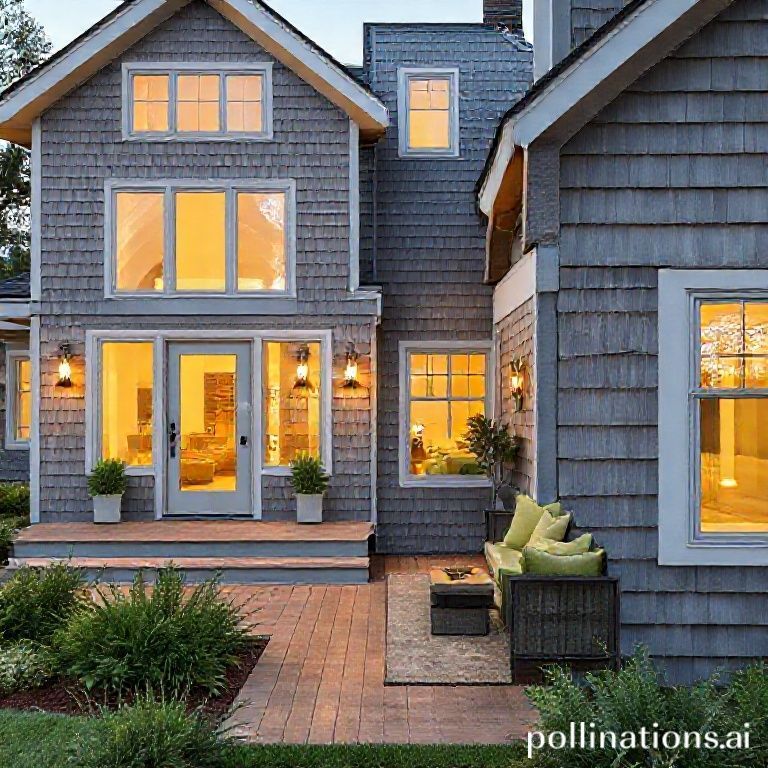
Mid-Century Modern architects traditionally sought to harmonize their structures with the surrounding environment. Large windows and sliding glass doors are prevalent, allowing natural light to flood interiors while providing unobstructed views of the landscape. This design philosophy aligns closely with the principles of biophilic design, emphasizing a connection to nature as essential for well-being. Outdoor living spaces, such as patios and decks, further reinforce this relationship, creating seamless transitions between indoors and outdoors.
3. Material Honesty
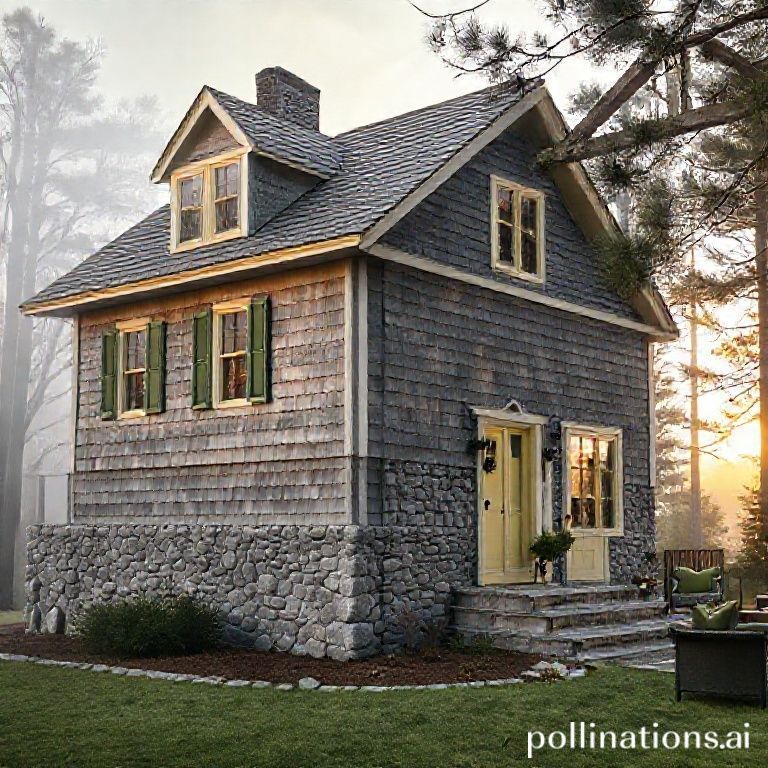
In keeping with the Modernist ethos, Mid-Century architecture champions the honest use of materials, showcasing their natural beauty without excessive adornment. Wood, glass, and metal are commonly featured, each chosen for its aesthetic and functional characteristics. For instance, the use of Warm wood tones promotes a sense of coziness and comfort, while sleek metal accents introduce a contemporary edge. Architects often employed these materials to create visual interest and texture, contributing to the overall harmony of the design.
4. Functionality and Ergonomics
Fundamentally, Mid-Century Modern design emphasizes functionality without sacrificing aesthetics. Every design choice is made with the user in mind, ensuring that spaces are not only beautiful but also practical. For example, built-in furniture and multi-functional spaces are frequent in Mid-Century homes, reflecting an understanding of the needs of contemporary living. This emphasis on ergonomic design is particularly relevant today, as modern homeowners increasingly seek environments that support their lifestyles.
Common Mistakes to Avoid in Mid-Century Modern Design
As Mid-Century Modern architecture enjoys a resurgence in popularity, homeowners and designers alike should avoid common pitfalls that can detract from its authentic appeal. Here are a few key mistakes to sidestep in order to maintain the integrity of the style:
- Over-ornamentation: While it’s tempting to add decorative elements for flair, cramming spaces with excessive decor can undermine the clean lines and simplicity that are hallmarks of Mid-Century Modern design.
- Avoiding Colorful Accents: The palette of Mid-Century interiors typically favors earthy tones and neutrals; however, neglecting pops of vibrant color can lead to a bland aesthetic. Thoughtfully placed accents can enliven spaces without overshadowing their minimalist roots.
- Neglecting Functional Elements: It’s essential to ensure that any design choices incorporate functionality. Consider thoughtful layout decisions and furniture that enhance usability while also contributing to a cohesive design narrative.
Designer Insight: Modernizing Mid-Century Principles
Design experts suggest that the principles of Mid-Century Modern architecture can be seamlessly integrated into contemporary homes, creating spaces that honor the past while embracing the future. By focusing on open layouts, incorporating natural materials, and emphasizing a connection to the outdoors, modern homeowners can capture the essence of Mid-Century design without replicating it exactly. Additionally, blending vintage pieces with modern furnishings can create a dynamic and engaging aesthetic that honors the integrity of the style while allowing for personal expression.
Conclusion: The Enduring Influence of Mid-Century Modern Architecture
As we reflect on the vibrant legacy of Mid-Century Modern architecture, it is evident that its principles resonate as strongly in today’s design discussions as they did during their inception. The enduring appeal of this style lies in its ability to respond to the needs and aspirations of the human experience, forging a connection between the individual and their environment. By understanding the historical context, design principles, and influences of this unique architectural movement, contemporary homeowners can draw inspiration from the past to create sustainable, functional, and aesthetically pleasing spaces.
For those looking to explore further, consider delving into other architectural styles such as Modern and the thoughtful use of diverse materials like metal, wood, and glass to see how they shape residential design today. The evolution of Mid-Century Modern architecture invites us to continuously innovate while staying grounded in the principles that have shaped our homes for generations.